

So, you’ve installed a lovely outdoor sauna and simply can’t wait to use it – trust us, we totally understand! But before you turn on the heater and jump inside, it’s important to remember that the more carefully you look after a sauna, the longer it will last and the better your experience of using it will be over time. Fortunately, you can keep it looking great and working properly by following some simple instructions. In this short guide, we’ll talk you through how to use, clean and look after your outdoor sauna to keep it in good working order for many years of enjoyment to come.
Before using the sauna for the first time
Before you crank up the heat, you’ll need to treat the wooden parts of your sauna with suitable products, which you should be able to find in any good hardware store – we recommend Tikkurila’s Supi range. Never use cleaning agents that aren’t made for saunas as they can cause damage – for example, disinfectants can bleach the wood and spoil its appearance.
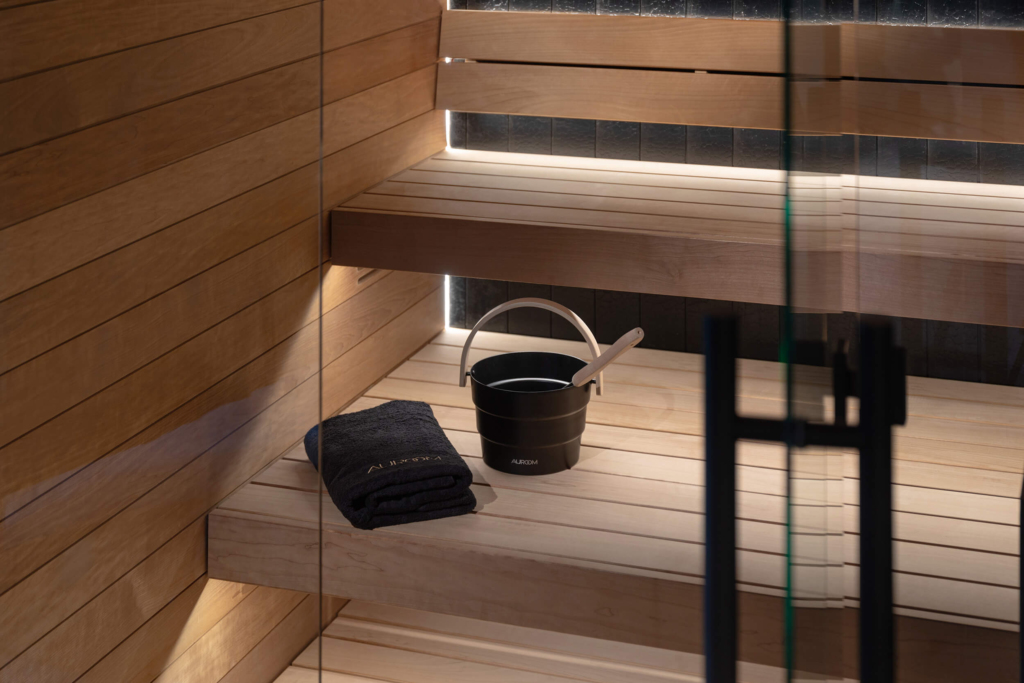
First, dust the surfaces and give them a clean with a sauna detergent like Supi Saunapesu, always following the manufacturer’s instructions. After leaving them to dry thoroughly, treat the walls and ceiling with a specialist sauna finish product and the benches with a bench protector, such as Supi Saunasuoja and Supi Laudesuoja respectively. Don’t use any paint or varnish as the wood must be able to breathe, but you can protect all wooden surfaces with Supi Saunavaha or a similar wax-based protective agent, which will absorb into the wood to prevent dirt and water getting in.
Once you’ve carried out the various treatments outlined above, you’re ready to turn on your heater for the first time. And no, sorry, it’s still not time to get inside just yet, as the products you’ve just applied will need some time to absorb into the wood. Heat the sauna to around 100 °C for two hours. Doing this will also ensure that any water that’s seeped into the insulating layer during storage and transportation has a chance to evaporate. Keep an eye on the sauna during heating as a safety precaution.
Maintaining your sauna
Now it’s time to get excited, because your sauna is finally ready to use! Just keep in mind that maintaining and using it correctly will keep it fresh and clean and extend its lifetime. For example, excess moisture can damage the wooden surfaces, so only throw water onto the stones and ideally don’t wear a swimsuit, as water from these can soak into the wood. Using seat covers will also help to maintain the condition of the benches. Remember that wood is a natural material that can bend, crack or darken when exposed to the heat of the sauna, so expect some wear over time. Drying textiles in the sauna should be avoided, because as well as introducing excess moisture into the space this can also present a fire hazard.

After each use, wipe the benches with a clean, damp cloth – don’t use running water and make sure that no excess water has pooled on the wooden surfaces. You can use cleaning agents if you want to, but always select appropriate products for the various components and follow the instructions on the label. Once you’re done, allow the surfaces to dry by leaving the heater turned on for at least half an hour with the air vent open and any doors and windows closed.
In addition to these regular procedures, there are also some maintenance tasks that you should carry out once annually (or more often if you use the sauna intensively), such as treating the wooden surfaces with protective products as described above. If the wood has picked up any stains, gently clean the affected areas with a fine sandpaper before applying the treatment. Another yearly job is to check any screws or fastenings and tighten them as needed, as they may loosen slightly over time due to changes in the wood caused by the heat and humidity it’s exposed to.
Looking after the heater and stones
If your sauna has an electric heater, it’s important to check it before each use to make sure it’s in safe working order, especially if you haven’t used it for a while. If you’re going to clean or do any other maintenance on the heater, be sure to disconnect it from the power source and allow it to cool down fully before doing so. Don’t use the heater without first checking that it isn’t covered and that it’s filled with stones, and don’t touch it once it’s switched on. Like the heater, the stones should also be checked regularly, at least annually or after 300 hours of heating – this is important as they may crack and break over time. If the stones need cleaning, remove them from the heater and get rid of any dust using a pressure washer or hose.
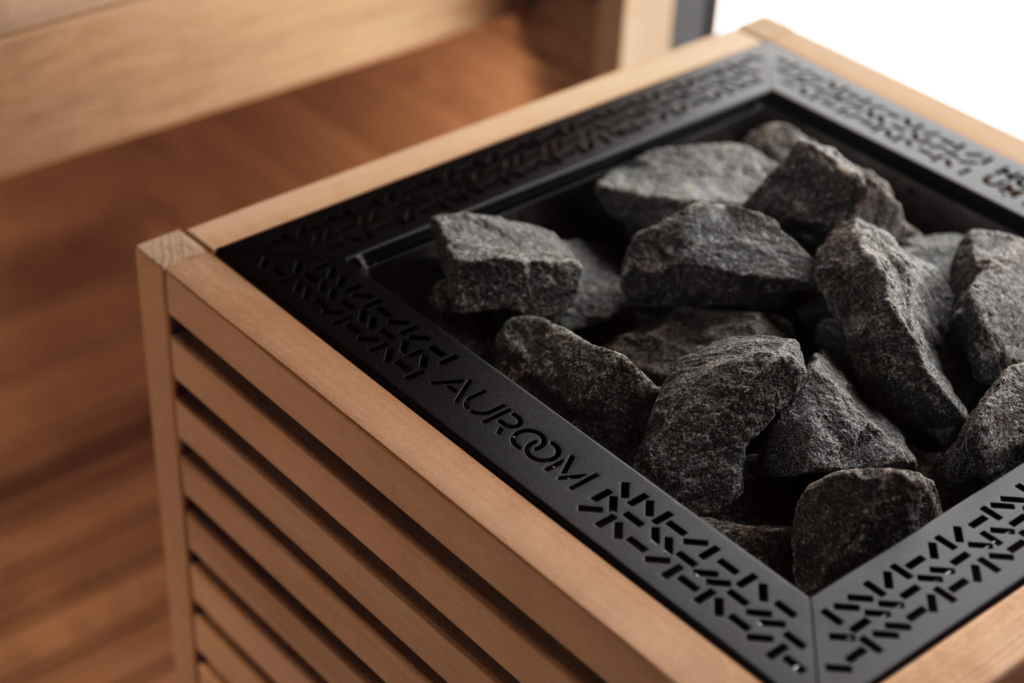
Whenever necessary, the stones can be replaced or more stones can be added. Remove any that have cracked, eroded or become noticeably lighter, along with any small stone chips that have come loose. If you use your sauna three times a week, you’ll need to replace the stones once per year – use this rule of thumb to calculate how often yours need changing, while also keeping an eye out for any damage. A sign that the stones might need replacing is when the heater doesn’t warm up properly, which can be caused by smaller fragments blocking air movement between the stones.
So there you have it – as you can see, there’s nothing too complicated or difficult here, but if you want to get the best out of your outdoor sauna and keep it working optimally for as long as possible it’s really important to follow the guidance given in this article. If you want to know more about how to use your sauna safely and maintain it correctly, take a look at our more detailed outdoor sauna manual.


